



Medically Reviewed by Dr. David Faust, DDS on September 22, 2026
Losing a tooth changes more than your smile. Over time, the neighboring teeth drift toward the gap, the jawbone beneath the empty space begins to shrink from lack of stimulation, and eating, speaking, and smiling can all become more difficult. For patients dealing with one or more missing teeth, the right replacement option needs to restore not just how the smile looks, but how it functions, and how it holds up for years to come.
At Bucks County Smiles in Yardley, Dr. David Faust offers dental implants in Yardley, PA as a permanent, natural-functioning tooth replacement option for patients of all ages. Here is how dental implants restore your smile and why they are considered the gold standard for replacing missing teeth.
How Dental Implants Are Structured
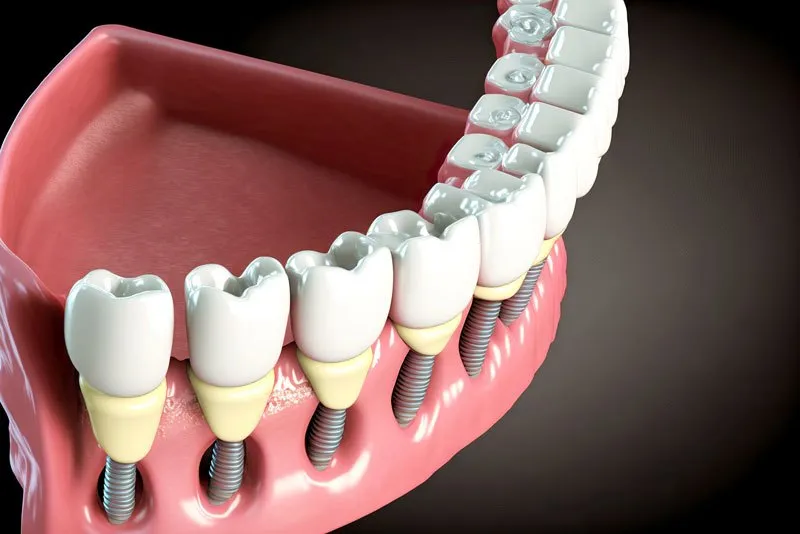
A dental implant is not a single device — it is a system of three components working together to replicate the look, feel, and function of a natural tooth. Understanding the structure helps explain why implants perform so differently from bridges or traditional dentures.
The first component is the implant post, a small threaded cylinder made of titanium that is surgically placed into the jawbone. It functions as an artificial tooth root. Titanium is used because it is biocompatible — the body accepts it — and because over time the surrounding bone tissue fuses to its surface in a process called osseointegration. The second component is the abutment, a small connector piece that attaches to the top of the post and extends just above the gumline. The third component is the restoration: the crown, bridge, or denture that sits on the abutment and serves as the visible tooth. The restoration is custom-fabricated in a dental laboratory to match the shade and proportions of your surrounding teeth. Together, these three elements create a tooth replacement that looks, feels, and functions like the real thing. Explore what a complete smile restoration can involve when multiple teeth need to be addressed at once.
Restoring Your Smile’s Appearance
One of the most immediate ways dental implants improve a smile is cosmetic. The crown or restoration is designed to blend seamlessly with your existing teeth in color, shape, and size, so there is no visible sign that any tooth replacement has taken place. Unlike bridges, implants do not require shaving down the adjacent healthy teeth to support the restoration, which means the surrounding teeth remain fully intact.
Implants also preserve the natural contour of the gumline. When a tooth is missing, the bone beneath gradually resorbs and the gum tissue retreats, creating a sunken or uneven appearance at the site. The implant post stimulates the bone the same way a natural tooth root does, slowing or preventing this resorption and maintaining the gum contour around the implant. Patients who have lived with a gap for years often notice that an implant not only fills the space but restores the facial structure around it.
How Implants Restore Function: Eating, Speaking, and Daily Life
The functional restoration that dental implants provide is often what patients notice most. Because the implant post is anchored in the jawbone, the crown it supports can withstand the same chewing forces as a natural tooth. Most patients are able to eat a completely normal diet after full healing, including foods they may have avoided with missing teeth or a removable prosthetic.
Speech clarity also improves when missing teeth are replaced. Gaps in the dentition can alter how certain sounds are formed, and a well-placed implant crown eliminates that disruption. For patients with implant supported dentures, the stability of the implants prevents the prosthetic from shifting during speech, which is a common complaint with traditional removable dentures. Understanding what the implant placement process involves helps patients set accurate expectations for how their function will be restored over the course of treatment.
How Implants Protect Your Jawbone Over Time
This benefit is one that many patients do not consider until it is explained to them, but it is one of the most clinically significant advantages of dental implants over other tooth replacement options. When a natural tooth root is present, chewing transmits forces into the jawbone, which signals the bone to maintain its density. When the root is lost, that stimulation stops, and the bone begins to resorb.
Traditional dentures and bridges do not provide root stimulation. Over the years, patients wearing conventional dentures experience progressive bone loss that causes the jaw to shrink, which changes facial proportions and eventually makes the dentures fit less well. Implant posts restore the mechanical stimulation that bone tissue requires, helping to preserve bone density at the implant site for as long as the implant remains in place.
Are You a Candidate for Dental Implants?
Most adults with missing teeth are potential candidates for dental implants. The two most important factors are adequate jawbone density and healthy gum tissue. Patients who have been missing teeth for a long time may have experienced bone loss that requires grafting before implant placement, but bone grafting can restore the volume needed in many cases. Active gum disease must be treated and resolved before any implant work begins.
General health factors such as uncontrolled diabetes or autoimmune conditions require careful evaluation, and smoking significantly increases the risk of implant failure during healing. Dr. Faust will review all of these factors during your consultation using imaging and a full oral health assessment. For patients who want to replace an entire arch, fixed versus removable full-arch implant options are both available and will be discussed based on your specific anatomy and goals.
Frequently Asked Questions About Dental Implants
How long do dental implants last?
The titanium implant post is designed to be a permanent part of your jaw and can last a lifetime with proper care. The crown or other restoration placed on top will eventually experience normal wear and may need to be replaced or adjusted after ten to fifteen years or more, depending on the location and how well it is maintained. Regular dental checkups allow Dr. Faust to monitor the condition of both the implant and the restoration.
Is the dental implant procedure painful?
The surgical procedure is performed with local anesthetic, and sedation options are available, so most patients feel little to nothing during the placement. Some tenderness, swelling, and mild discomfort are normal in the days following surgery. Over-the-counter pain medication is typically sufficient for managing this period. Severe or persistent discomfort should be reported to our office promptly.
Can dental implants replace multiple missing teeth at once?
Yes. Depending on your situation, implants can support individual crowns for single missing teeth, implant-supported bridges for several adjacent missing teeth, or full-arch dentures anchored to multiple implants. The right approach depends on how many teeth are missing, the condition of your jawbone, and your treatment goals. Dr. Faust will recommend the most appropriate design after evaluating your case.
Do dental implants look natural?
Yes. The crown or restoration placed on an implant is custom-fabricated to match the shape, size, and color of your surrounding teeth. The result is a replacement tooth that blends seamlessly with your natural dentition. Unlike bridges, implants do not require any alteration of the neighboring healthy teeth, which further contributes to a natural-looking outcome.
Restore Your Smile With Dental Implants at Bucks County Smiles
At Bucks County Smiles, Dr. David Faust and our team bring over 75 years of combined experience to dental implant placement and restoration, helping patients throughout Yardley and the surrounding area replace missing teeth with permanent, natural-functioning solutions. From single-tooth implants to full-arch restorations, we evaluate every patient individually and build a treatment plan tailored to their specific goals, anatomy, and timeline.
If you are ready to take the next step toward restoring your smile, we are here to guide you through the process. Contact our office today to schedule your dental implant consultation.
About the Author
Dr. David Faust, DDS
Bucks County Smiles, Yardley, PA
Dr. David Faust leads Bucks County Smiles in Yardley, Pennsylvania, where our team brings over 75 years of combined experience to dental implant placement, restoration, and comprehensive dental care. Dr. Faust offers a full range of implant solutions, from single-tooth replacements to full-arch restorations, with a focus on individualized care and long-term outcomes for patients throughout the Yardley area.
