


Dental implants are among the most durable tooth replacement options available today, but every restoration has a lifespan. Patients who have completed the implant process often ask the same question: how long will this last, and what happens when it no longer holds up the way it once did?
At Bucks County Smiles in Yardley, PA, Dr. Faust and the team guide patients through dental implants from initial consultation through long-term maintenance, including what you can realistically expect from your final prosthesis over time.
What Is a Final Prosthesis?
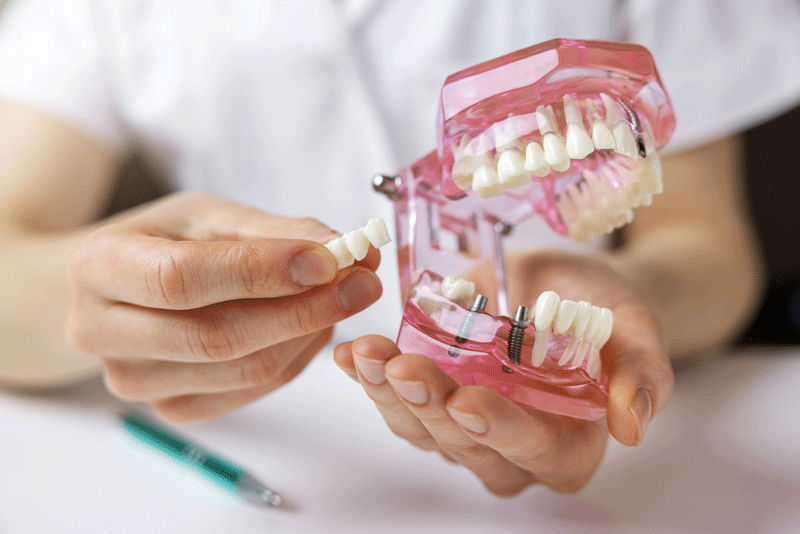
The term “final prosthesis” refers to the visible, functional component of your dental implant restoration. Depending on how many teeth are being replaced, this may be a single crown, a multi-tooth bridge, or a full-arch supported denture. It is the part of the implant system that does the work of natural teeth during chewing, speaking, and smiling.
Beneath the prosthesis sits an abutment, a small connector piece that links the restoration to the implant post embedded in the jawbone. Over a period of months following surgery, the implant post fuses with the surrounding bone through a process called osseointegration, creating the stable foundation that holds the whole structure in place. Once that fusion is complete, the abutment and prosthesis are fitted and secured, completing the restoration.
How Long Can You Expect a Final Prosthesis to Last?
The implant post itself is designed to be a permanent fixture for most patients, and with proper care, it can remain functional for decades. The prosthesis is a different story. Because it absorbs the forces of daily biting and chewing, it is subject to wear over time in a way the underlying post is not.
Crown-based prostheses typically last between 10 and 15 years before they may need replacement. Full-arch prostheses supported by multiple implants can last longer with consistent maintenance but are also subject to natural degradation of their materials. Patients who care for their restorations carefully, stay current with professional cleanings, and avoid habits like grinding or chewing hard objects tend to see longer-lasting results.
Common Reasons a Prosthesis May Require Replacement
There are several circumstances under which a final prosthesis may need to be replaced, even when the underlying implant post remains healthy and intact:
- Gradual wear and tear that causes the prosthesis to crack, chip, or lose its proper fit over years of daily use
- Physical trauma from an accident that damages the prosthesis in ways that cannot be repaired
- Bone or gum tissue changes that shift the fit of the restoration and affect comfort or bite alignment
- Deterioration of the prosthesis material, particularly with older restorations made before current manufacturing improvements
Patients who notice looseness, visible fractures, or changes in how their bite feels should schedule a visit sooner rather than later. Early evaluation can often simplify the replacement process significantly.
What Replacing a Final Prosthesis Involves
When replacement becomes necessary, the implant post typically does not need to be removed or replaced. In most cases, only the prosthesis itself needs to be updated. The dentist will evaluate the abutment to confirm it remains in good condition, then fabricate a new prosthesis matched to the patient’s current bite and aesthetic goals.
According to research supported by the National Institute of Dental and Craniofacial Research, ongoing professional monitoring plays a key role in the long-term success of implant restorations. NIDCR oral health data highlights how consistent follow-up care supports better long-term outcomes for implant patients. The new prosthesis is shaped and shaded to match surrounding teeth, and the fit is verified before final placement.
Schedule a Consultation at Bucks County Smiles
Whether you are wondering about the longevity of your current restoration or considering implants for the first time, the team at Bucks County Smiles is ready to help you understand your options clearly. We work closely with each patient to develop a long-term care plan that supports the health and function of every restoration we place.
Reach out through our contact form to schedule an appointment with Dr. Faust and the Bucks County Smiles team today.
