

Dental implants have a well-earned reputation for reliability, with success rates that consistently exceed 95 percent across qualified candidates. That figure reflects real outcomes in clinical practice. But a decision this significant deserves a clear understanding of what can go wrong, how likely those complications are, and how a skilled team reduces the risk before the procedure begins.
At Bucks County Smiles in Yardley, PA, the conversation about dental implants includes an honest look at potential complications alongside the benefits. The goal is to help patients make informed decisions with accurate information, not reassurances that gloss over the full picture.
Most Common Implant Complications
Understanding the range of possible complications is the starting point for understanding how they are prevented and managed.
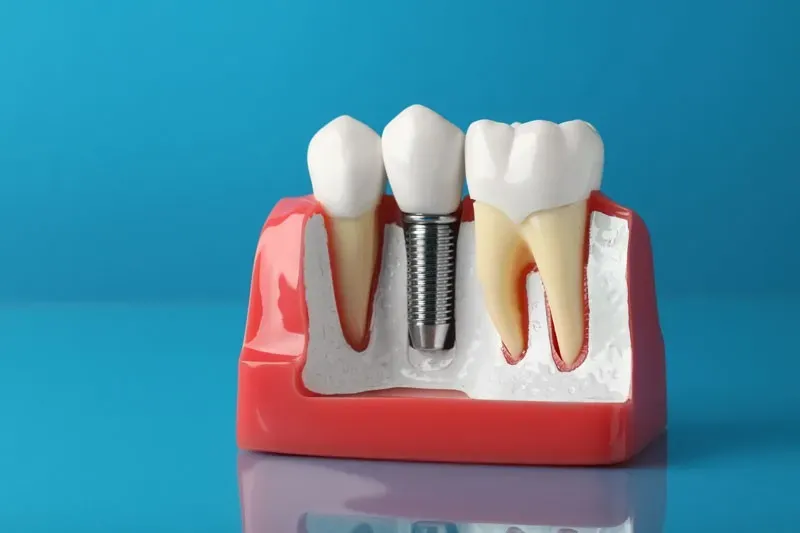
Peri-implantitis is an inflammatory condition that affects the tissue around a placed implant, similar in mechanism to periodontal disease. It can cause bone loss around the implant if left unaddressed. It is most strongly associated with inadequate oral hygiene after placement and untreated pre-existing gum disease. Patients with a history of periodontal disease are at higher risk and require careful evaluation before treatment and closer monitoring afterward.
Osseointegration failure occurs when the implant does not fuse successfully with the surrounding bone. This can happen due to insufficient bone density, infection during the healing period, smoking, or systemic conditions that impair healing. Early-stage failure may sometimes be salvaged; in other cases, the implant must be removed, the site allowed to heal, and placement reattempted after addressing the underlying factor.
Nerve involvement is a rare complication that can occur when an implant is placed in the lower jaw and positioned too close to the inferior alveolar nerve. This can produce numbness, tingling, or altered sensation in the lip, chin, or gum area. Precise pre-surgical imaging is the primary safeguard against this outcome.
Sinus complications are specific to upper jaw implants placed in the molar and premolar regions. When bone height in this area is limited, the implant can protrude into the sinus cavity. A sinus lift procedure performed before or during implant placement addresses this risk where it applies.
How Planning Reduces Risk
The factors most associated with implant complications are identifiable before placement. A thorough evaluation at Bucks County Smiles includes dental X-rays and 3D cone beam imaging to assess bone volume, identify anatomical landmarks, and plan placement with precision. A complete health history review identifies conditions or medications that could affect healing. Gum disease is treated before any implant work begins.
Patients who smoke are counseled on the significant impact of tobacco use on healing outcomes and the elevated risk of implant failure. A post-placement care plan, including follow-up appointments, is established at the outset so potential issues are caught and addressed early.
According to the National Institute of Dental and Craniofacial Research, implant therapy is one of the most effective long-term solutions for tooth replacement when patient selection and placement technique are handled carefully.
Contact Bucks County Smiles to Learn More
Understanding the risks associated with dental implants is part of making an informed decision about your care. At Bucks County Smiles, we make that conversation straightforward and complete. Dr. David Faust, Dr. Kristen Scholl, and Dr. Aimee Dehbozorgi bring an integrative approach to implant care that begins with your full health picture and continues through every stage of treatment and recovery.
If you are considering dental implants and want a thorough, transparent consultation, we invite you to contact our Yardley, PA office to schedule an appointment with our team.
