


We’ve all felt it: the tight jaw before a big meeting, the restless night before a deadline, the headache that lingers after a hard week. What many people do not realize is that this same stress can quietly work against the health of their gums. When your body stays in a heightened state for too long, the effects ripple far beyond your mood and energy levels.
At Bucks County Smiles, we look at oral health as part of your whole body picture, not an isolated system. Our integrative approach means we consider how stress, sleep, and overall wellness connect to what is happening in your mouth, so we can help you protect your gums before small issues become bigger ones.
How Stress Affects Your Gums
Stress triggers the release of cortisol, a hormone that helps your body respond to short-term challenges. When stress becomes chronic, cortisol levels stay elevated for extended periods, and this can interfere with your immune system’s ability to fight off the bacteria that cause gum disease. A 2025 case-control study published in BMC Oral Health found that patients with periodontitis had significantly higher stress levels and elevated salivary cortisol compared to those without the condition, supporting a real biological link between the two.
Chronic stress can also change your habits in ways that hurt your gums indirectly. Many people clench or grind their teeth when stressed, which can inflame the tissue around the teeth over time. Dr. Kristen Scholl, who leads our approach to TMJ and jaw-related concerns, often sees this pattern show up first as jaw soreness before patients even notice changes in their gums. Others let their oral hygiene routine slip during busy or overwhelming stretches, skipping brushing sessions or postponing a comprehensive exam they would otherwise keep.
The Inflammation Connection
Your gums rely on a balanced immune response to keep bacteria in check without overreacting. Stress disrupts that balance by promoting inflammation throughout the body, including in the mouth. This makes it easier for the bacteria in plaque to trigger gingivitis, the early stage of gum disease that shows up as redness, swelling, and bleeding when you brush.
Left unaddressed, that inflammation can progress toward periodontitis, a more advanced form of gum disease that affects the bone and tissue supporting your teeth. Our periodontics team watches for these early warning signs during your visits so we can step in before the damage becomes harder to reverse.
Signs Your Gums Might Be Affected
Recognizing the signs early gives you the best chance to reverse the damage before it becomes permanent. Some symptoms are subtle at first, which is exactly why routine visits matter so much during stressful seasons of life:
- Bleeding: Gums that bleed during brushing or flossing, even mildly
- Swelling: Redness or puffiness along the gumline that was not there before
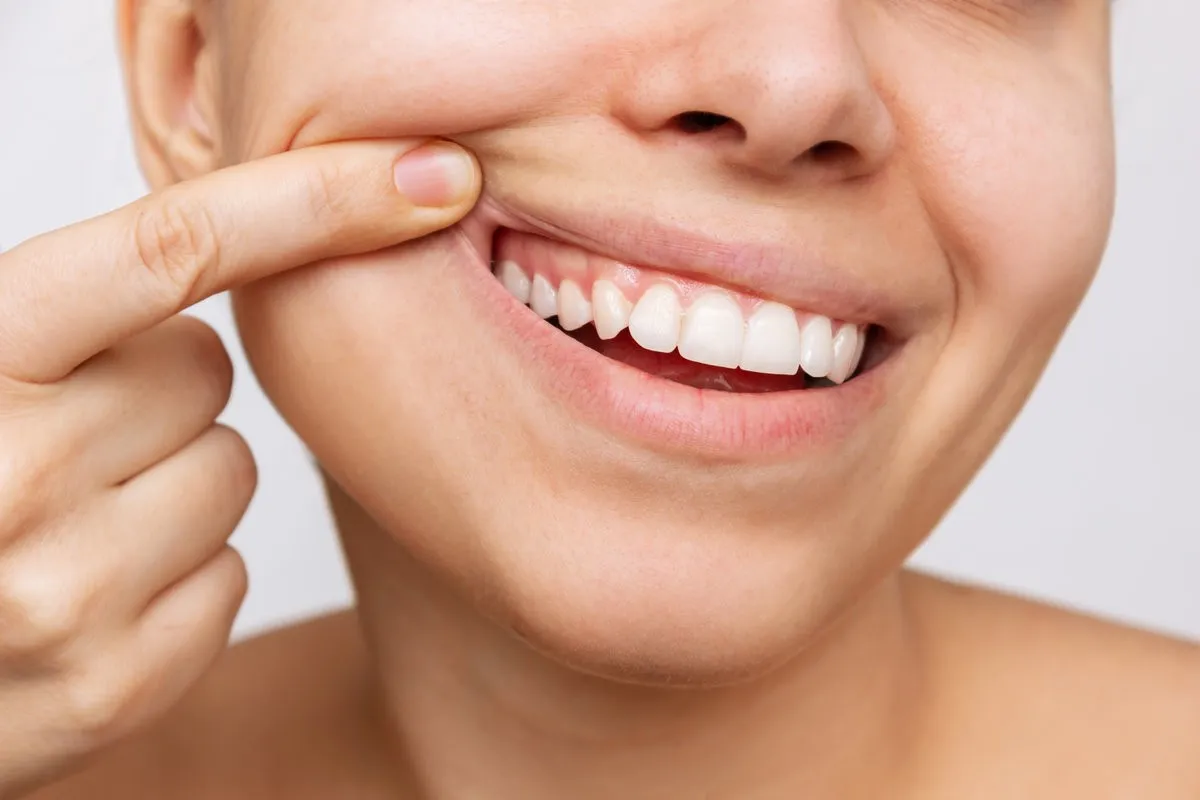
- Recession: Gums that appear to be pulling away from the teeth
- Sensitivity: New tooth sensitivity to hot, cold, or sweet foods
- Jaw tension: Soreness or tightness that may point to clenching or grinding
If any of these sound familiar, it is worth mentioning during your next visit so we can take a closer look. Catching these changes early often means a simpler, less invasive path back to healthy gums.
How We Help You Manage Stress-Related Gum Issues
We take a whole-body approach that considers what else is happening in your life, not just what we see in your mouth. Our team coordinates with your primary care physician and other members of your medical team when appropriate, since stress and oral health rarely exist in isolation from the rest of your wellness.
For patients who clench or grind their teeth under stress, Dr. Scholl may recommend a custom nightguard to protect your teeth and ease the strain on your jaw. In some cases, she also uses Botox to relax the jaw muscles involved in TMJ-related clenching, which can ease the pressure that contributes to gum irritation over time. For those already showing signs of gum irritation or early disease, treatments like scaling and root planing can help remove buildup below the gumline and give your tissue a chance to heal. We also offer LANAP laser gum treatment for patients who need a more advanced, minimally invasive option.
Because so many of our patients manage complex health pictures, we take extra care to understand how stress fits into your broader medical history before recommending a treatment path. This collaborative approach lets us catch connections that a narrower, mouth-only view might miss.
Protecting Your Smile Through Stressful Seasons
Stress is a part of life, but its effects on your gums do not have to be permanent. Paying attention to the early signs and staying consistent with your dental visits gives you the best defense against long-term damage.
If you have noticed changes in your gums or simply want a thorough evaluation, our team at Bucks County Smiles is here to help you build a plan that supports both your smile and your overall health. Reach out to us today to schedule your visit and take the next step toward healthier gums.
