


After losing a tooth, the gap in your smile is the most visible change, but what happens beneath the gum line is equally important and far less obvious. The jawbone surrounding the empty socket begins to change almost immediately, and those changes can affect how your remaining teeth fit together, how your face looks over time, and what options remain available to you years down the road.
At Bucks County Smiles, Dr. David Faust discusses jawbone preservation with every patient considering tooth loss or dental implants in Yardley, PA, because timing plays a meaningful role in determining which restoration pathways remain open.
What Happens to the Jawbone When a Tooth Root Is Missing
Your jawbone is living tissue that responds to the forces placed on it. Each time you bite and chew, natural tooth roots transmit that pressure into the surrounding bone, signaling the body to maintain the density and volume in that area. When a root is removed and not replaced, that signaling stops.
Without stimulation, the body begins resorbing, or reabsorbing, the bone in the area. This is not a flaw in how the body works. It is the body efficiently redirecting resources away from tissue it perceives as no longer needed. The result is a gradual reduction in bone height and width, typically beginning within the first few months after extraction and continuing over years if left unaddressed.
Research published through the National Library of Medicine indicates that the most significant bone loss following tooth extraction often occurs in the first year, making early intervention particularly valuable for patients interested in implant placement.
How Resorption Affects Your Oral Health and Appearance
The practical effects of jawbone resorption extend beyond the empty space itself. As bone volume decreases, several related problems can develop over time.
Neighboring teeth may begin to tilt or drift toward the gap, disrupting bite alignment and creating new stress on surrounding teeth. The opposing tooth, the one that once contacted the missing tooth, may begin to shift into the open space as well. These changes can result in difficulty chewing, increased wear on remaining teeth, and a bite that no longer functions as it should.
Bone loss also changes the contours of the face. The jaw provides structural support for the soft tissue of the cheeks and lips. When bone volume decreases, particularly after multiple tooth losses, the face can develop a sunken or prematurely aged appearance. This is one reason long-term denture wearers sometimes notice changes in facial structure over the years.
How Dental Implants Address the Root Cause
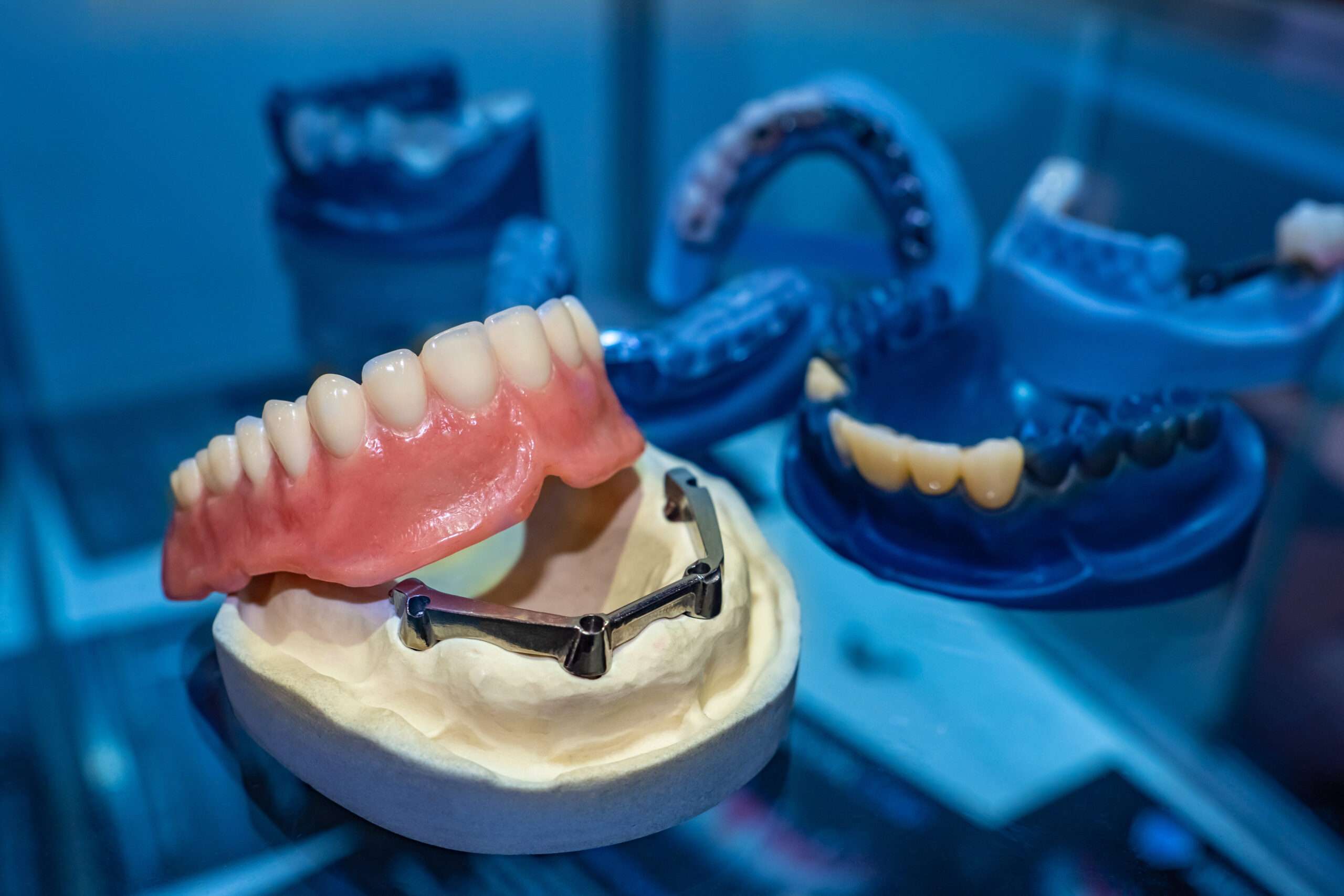
Dental implants are the only tooth replacement option that functions like a natural root. The titanium post, placed directly into the jawbone, integrates with the surrounding bone and restores the stimulation needed to maintain density and volume. Unlike bridges, which span the gap without contacting the bone, or dentures, which rest on the gum surface, implants work from the inside out.
When placed promptly after tooth loss, implants can prevent the most significant phase of bone resorption. Patients who have already experienced some resorption may still qualify for implants, though a bone grafting procedure may be needed first to restore sufficient volume for stable implant placement. Dr. Faust evaluates each patient’s situation individually, using imaging to assess the current state of the bone and what restoration options are available.
For a side-by-side look at how implants compare to other approaches, our overview of fixed versus removable tooth replacement can help frame the decision.
Frequently Asked Questions About Jawbone Health After Tooth Loss
How soon after losing a tooth does bone resorption begin?
Bone loss can begin within weeks of an extraction. The most rapid phase of resorption often occurs during the first six to twelve months after tooth loss. This is why many dentists discuss implant timing at the time of extraction or shortly after, to help patients preserve as much bone as possible before significant volume is lost.
Can bone lost after tooth loss be restored?
In many cases, yes. Bone grafting procedures can restore the density and volume needed to support a dental implant. The outcome depends on how much bone has been lost and the overall condition of the area. Dr. Faust will evaluate your jawbone with imaging and discuss whether grafting is recommended as part of your treatment plan.
Does a dental bridge help prevent bone loss?
A bridge restores the visible portion of the missing tooth but does not replace the root structure. Because no implant post contacts the jawbone, the bone beneath the bridge continues to resorb over time. This is one of the key differences between bridges and implants when considering long-term oral health outcomes.
How long does it take to get a dental implant after tooth loss?
In some cases an implant can be placed at the time of extraction, though this depends on the condition of the bone and surrounding tissue. More commonly, patients wait a period of healing before implant placement. Dr. Faust will review your specific situation and recommend a timeline that supports the best possible result.
Protect Your Jawbone with Dental Implants at Bucks County Smiles
Missing teeth are not just a cosmetic concern. The effects on your bone, your bite, and your long-term oral health develop gradually and quietly. Dr. Faust and the team at Bucks County Smiles can help you assess what is happening beneath the surface and what your options are for addressing it.
Contact us to schedule a consultation and learn more about dental implants in Yardley, PA.
