


Losing one or more teeth changes more than just your smile. Over time, the surrounding teeth can shift toward the gap, the jawbone beneath the missing root begins to shrink, and tasks as simple as eating a favorite meal can start to feel complicated. The question most people eventually ask is not whether to replace missing teeth, but which option will actually solve the problem rather than work around it.
At Bucks County Smiles, Dr. David Faust helps patients throughout Yardley, PA evaluate full mouth dental implants and single-tooth replacements with a focus on long-term health, not just short-term appearance. Here is what sets implants apart from other tooth replacement approaches.
How Dental Implants Differ from Other Replacement Options
Most tooth replacement options, including traditional dentures and bridges, address the visible portion of a missing tooth. They restore the crown but leave the root position empty. Dental implants are the only option that replaces the root structure itself, which is where the real biological difference begins.
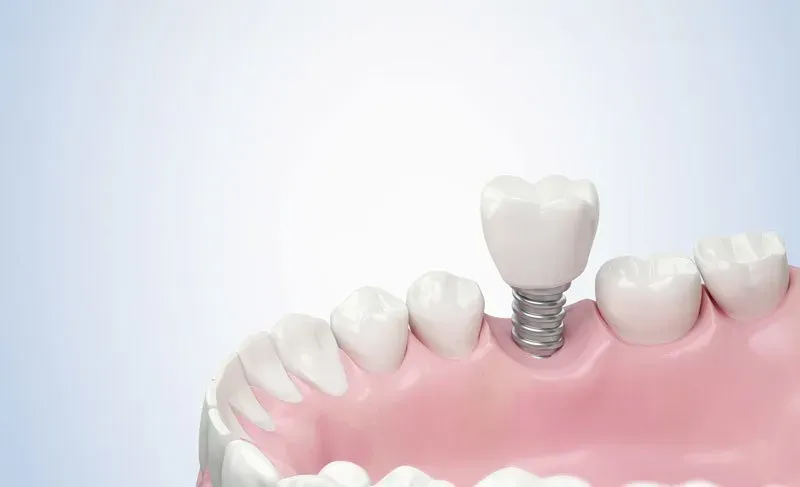
An implant post, typically made from biocompatible titanium, is placed directly into the jawbone. Over several months it fuses with the surrounding bone through a process called osseointegration. That fusion makes the implant a permanent, stable part of the jaw in a way no adhesive or adjacent tooth support can replicate. A custom crown is then attached to the integrated post, completing the restoration.
Bridges require the preparation of the two teeth on either side of the gap, which means permanently altering healthy tooth structure. Dentures rest on the gums and can shift over time as the jawbone changes shape. Implants require neither compromise.
The Long-Term Oral Health Case for Implants
When a tooth root is lost, the jawbone in that area no longer receives the stimulation it needs to maintain its density. The result is gradual bone resorption, which can alter the shape of the face over years and make future restoration more difficult. Implants restore that stimulation and effectively halt the resorption process.
Adjacent teeth are also protected. Without a root holding space in the jaw, neighboring teeth tend to drift toward the gap. That shifting can affect bite alignment and create new wear patterns on remaining teeth. An implant fills the space with a stable structure that prevents movement in both directions.
Patients interested in understanding how implants compare in different replacement scenarios can review our overview of fixed versus removable tooth replacement.
What to Expect During the Implant Process
Every implant case at Bucks County Smiles begins with a thorough evaluation that includes imaging to assess bone density and confirm there is sufficient volume to support the implant post. Patients who have experienced bone loss may first need a bone grafting procedure, which restores the density and volume needed for stable implant placement.
Once cleared for placement, the implant post is surgically positioned in the jaw. The healing phase, during which osseointegration takes place, typically spans several months. A temporary crown or prosthesis is often provided so you maintain a functional smile throughout recovery. When the implant has fully integrated, the final custom crown is attached and fitted for your bite.
Dr. Faust also evaluates general dental health as part of the planning process, since conditions like active gum disease need to be resolved before implant placement to support proper healing.
Comparing the Investment
Dental implants typically carry a higher upfront cost than dentures or bridges. The longer view changes that comparison significantly. Implants, with proper care, can last a lifetime. Dentures require periodic refitting or replacement as the jaw changes, and bridges may eventually need replacement as well. The bone preservation function of implants also helps prevent the more extensive procedures that can become necessary after years of jawbone resorption.
Many patients find that the combination of longevity, comfort, and oral health benefits makes implants the most cost-effective option over a ten to twenty year period.
Frequently Asked Questions About Dental Implants
Am I a candidate for dental implants if I have been missing teeth for a long time?
Possibly, though long-term tooth loss often leads to bone resorption in the area. Dr. Faust will evaluate your jawbone density with imaging during a consultation. If bone volume has decreased, a grafting procedure may be recommended before implant placement to restore the foundation needed for a stable result.
How long do dental implants last?
With proper home care and regular dental visits, implants can last for decades, and many patients keep theirs for life. The implant post itself is designed to integrate permanently with the jawbone. The crown attached to the implant typically lasts fifteen to twenty-five years before replacement may be needed, depending on wear.
Is the implant procedure painful?
Most patients are surprised by how manageable the procedure feels. Local anesthesia is used during placement, and post-procedure discomfort is typically mild and controlled with over-the-counter pain relief in the days following surgery. Dr. Faust will review what to expect during your consultation so you feel fully prepared.
Does dental insurance cover implants?
Coverage varies widely by plan. Some insurance policies cover portions of the procedure, such as the crown or the extraction of a failing tooth, while others categorize implants as an elective procedure. Our team can help you review your benefits and discuss financing options available through our office.
Take the First Step Toward Complete Tooth Replacement at Bucks County Smiles
Missing teeth affect far more than appearance. The bone, the bite, and the surrounding teeth are all impacted over time, and the options you choose now will shape your oral health for years ahead. Dr. Faust and the team at Bucks County Smiles are here to walk you through your options clearly and help you understand what implant treatment would look like for your specific situation.
Contact us today to schedule a consultation and take the first step toward a complete, lasting smile in Yardley, PA.
