


Side effects are a reasonable thing to ask about before committing to any surgical procedure. For most dental implant patients, the side effects are temporary and predictable, resolving over the course of a week or two as the surgical site heals. Understanding what is normal, what to watch for, and how to manage discomfort helps patients move through recovery with confidence rather than uncertainty.
At Bucks County Smiles in Yardley, PA, Dr. David Faust places dental implants with a focus on thorough pre-procedure consultation and attentive post-procedure care. Every patient receives clear guidance on what to expect during recovery so nothing comes as a surprise.
Common Side Effects During Recovery
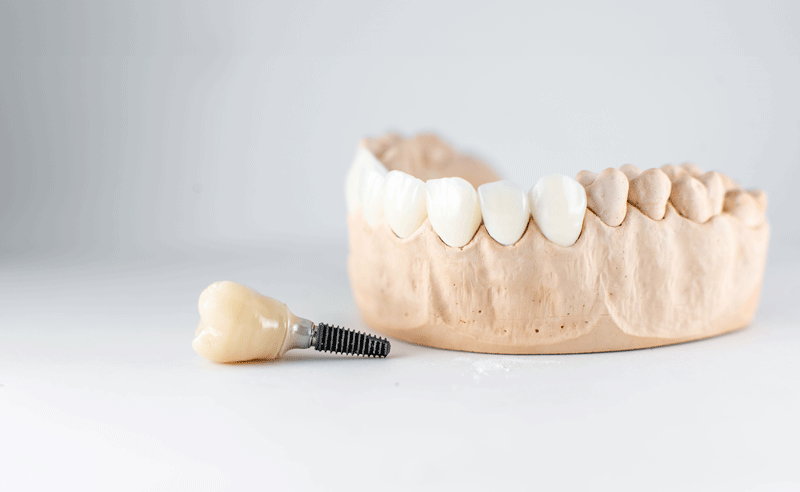
Dental implant surgery involves making incisions in the gum tissue and placing a titanium post into the jawbone. The following four side effects are the most common in the days immediately following the procedure, and all are normal parts of the healing process.
- Swelling of the gums and face: Soft tissue swelling typically peaks within the first 48 hours and then gradually resolves over the following week. Applying a cold compress in 15-minute intervals during the first 24 hours helps manage swelling and discomfort.
- Minor bleeding: Some bleeding at the surgical site is expected in the first 24 hours. Biting gently on gauze pads helps control it. If bleeding does not subside or worsens after the first day, contact the dental office.
- Bruising of the skin and gums: The tissue trauma involved in placing an implant post can cause bruising that appears on the gums or the skin of the jaw and cheek. This typically fades over one to two weeks.
- Pain at the implant site: Some tenderness and soreness around the implant is expected as the tissue heals. Over-the-counter pain relievers or any prescription medication provided are sufficient for most patients to manage this discomfort comfortably.
Most patients find that discomfort is manageable within the first few days and then steadily diminishes as healing progresses.
Less Common Complications Worth Knowing About
While the above side effects are routine, a small number of patients may experience complications that require follow-up care. Implant failure, in which the post does not integrate properly with the jawbone during the healing period, affects a small percentage of patients. Smoking, uncontrolled diabetes, and inadequate bone volume are the primary factors that increase this risk, which is why a thorough evaluation including bone density assessment takes place before implant placement.
For patients who need additional bone volume to support a successful implant, Bucks County Smiles offers bone grafting and other preparatory procedures. Nerve sensitivity is also a possibility in certain implant positions, though the precise planning involved in modern implant placement substantially reduces this risk. If you experience persistent numbness or tingling beyond the first few days, contact the office promptly.
How to Support a Smooth Recovery
What you do in the days following implant surgery has a direct impact on how quickly you heal and how well the implant integrates. The following practices help protect the surgical site and promote healing:
- Eat soft foods for the first several days and avoid chewing near the implant site
- Rinse gently with warm salt water starting the day after surgery to keep the area clean without disturbing the clot
- Avoid smoking and tobacco use, which impair healing and significantly increase implant failure risk
- Take all prescribed medications as directed and do not stop them early because discomfort has improved
- Keep all follow-up appointments so the healing process can be monitored and any concerns addressed early
Most patients return to normal daily activities within two to three days, with complete osseointegration, the full bonding of the implant to the jawbone, typically occurring over three to six months.
When to Call Your Dentist After Implant Surgery
Some signs fall outside the range of normal healing and should prompt a call rather than a wait-and-see approach. These include bleeding that does not slow after biting on gauze for 30 minutes, fever above 101°F, increasing pain rather than improving pain after the third day, and any change in how your bite feels. According to the Cleveland Clinic, recognizing complications early is the most important factor in addressing them before they affect the long-term outcome of the procedure.
How long does it take to fully recover from dental implant surgery?
The immediate post-surgical period, during which most patients experience swelling and discomfort, typically lasts about one to two weeks. By the end of that period, most people have returned to normal eating and daily activity. The longer healing phase, called osseointegration, takes three to six months as the titanium post fuses with the jawbone. During this period, patients usually don’t feel anything different, but it’s important to avoid habits that interfere with integration, like smoking or skipping follow-up appointments.
Is dental implant surgery painful?
The surgery itself is performed under local anesthesia, so you should not feel pain during the procedure. Sedation options are also available for patients who prefer a more relaxed experience. In the days following surgery, most patients describe the soreness as manageable, often comparing it favorably to a tooth extraction. The worst discomfort is typically in the first two days and improves consistently after that. Many patients are surprised that the recovery is easier than they had anticipated.
Can I prevent dental implant failure?
Many of the factors that lead to implant failure are within the patient’s control. Not smoking is the most impactful step you can take, as tobacco use significantly impairs the blood supply and cellular activity needed for the implant to fuse with the bone. Controlling blood sugar if you have diabetes also substantially reduces risk. Following all post-operative instructions, attending every follow-up appointment, and maintaining good oral hygiene around the implant site during healing all contribute to a successful outcome. A thorough evaluation before the procedure identifies any bone or health factors that need to be addressed beforehand.
Do dental implants look natural?
The crown placed on top of the implant is custom-designed to match the shape, size, and color of your surrounding teeth. Because the restoration is mounted on a post embedded in the jawbone, it sits and functions like a natural tooth rather than something attached to the gum surface. Most people around you will have no way of telling the implant from the natural teeth on either side of it. The permanence and natural appearance are among the reasons dental implants are considered the most complete tooth replacement solution available.
Get Your Questions Answered at Bucks County Smiles
Understanding what to expect from dental implant surgery makes the decision easier and the recovery smoother. At Bucks County Smiles in Yardley, PA, Dr. David Faust takes time during the consultation to walk through the process, explain the side effects, and answer any questions before the procedure begins. Patients leave with a clear picture of what recovery looks like and what signs to watch for.
Request an appointment online to schedule your dental implant consultation at Bucks County Smiles in Yardley, PA.
